
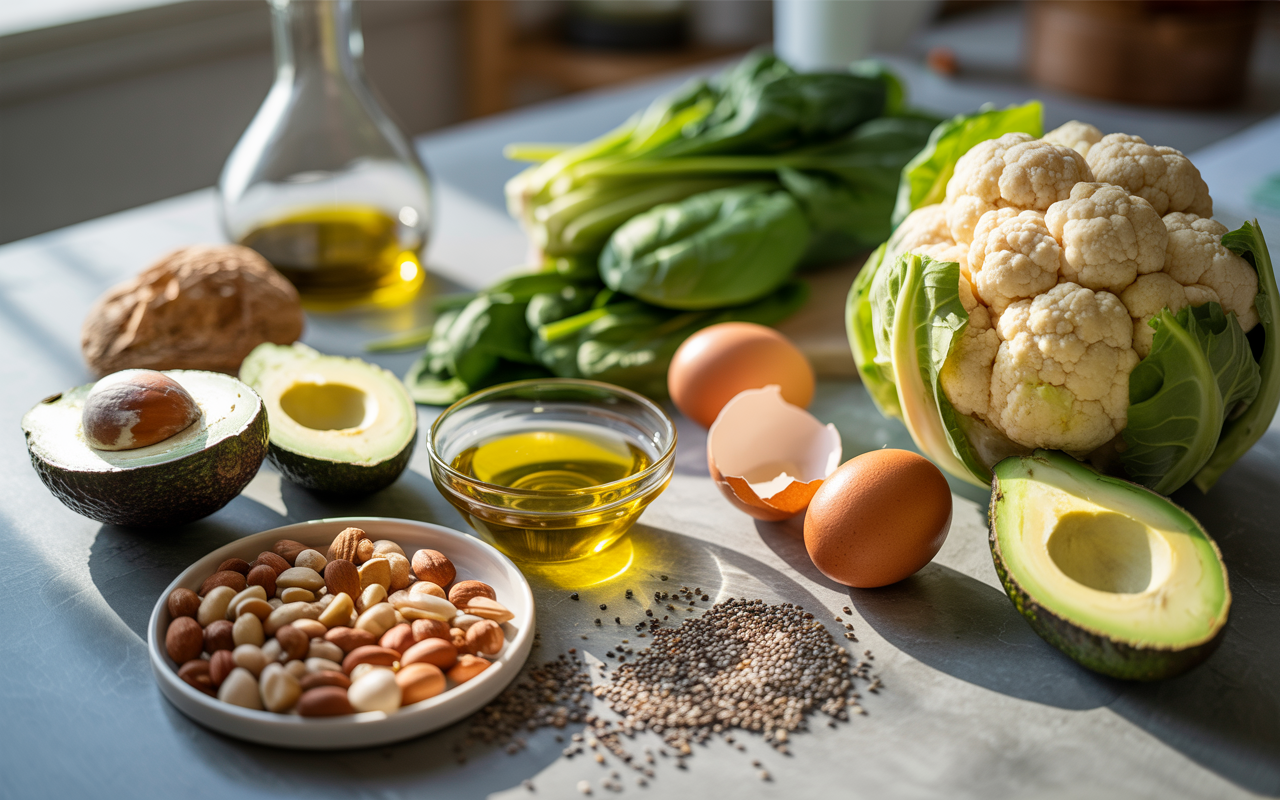
How Ketosis Works
Ketosis is the metabolic state at the core of the ketogenic diet. It’s the process that allows your body to switch from burning carbohydrates for energy to burning stored fat and producing ketones. Understanding how ketosis works helps make keto feel much simpler — and explains why so many people experience steady weight loss, increased energy, and fewer cravings once they enter this metabolic state.
Table of Contents
- What Is Ketosis?
- How Your Body Switches to Ketosis
- How Long It Takes to Enter Ketosis
- Signs You Are in Ketosis
- Benefits of Being in Ketosis
- How to Stay in Ketosis
What Is Ketosis?
Ketosis is a metabolic state where your body uses ketones instead of glucose for energy. Normally, carbohydrates break down into glucose, which your body uses as its primary fuel. But when carb intake is low enough — typically under 20–30 grams of net carbs per day — glucose drops, insulin levels fall, and the body begins burning fat for fuel.
Your liver converts this fat into ketone bodies (BHB, acetoacetate, acetone), which your brain, muscles, and organs use as a clean and steady energy source.
How Your Body Switches to Ketosis
Entering ketosis happens in three main steps:
1. Carbohydrates drop
When you reduce carbs dramatically, your body uses up its remaining glucose and glycogen stores within 24–48 hours.
2. Insulin levels fall
Lower insulin signals the body to begin lipolysis — the process of breaking down stored fat.
3. The liver produces ketones
Your liver converts fatty acids into ketones, which then replace glucose as your main source of energy.
How Long It Takes to Enter Ketosis
Most people enter ketosis within 2–4 days of following a strict low-carb diet. Factors that influence the speed include:
- Daily carb intake
- Activity level
- Metabolism speed
- How long you’ve eaten high carbs before starting keto
Fasting, exercise, and keeping carbs very low (under 20 g net carbs) can speed up the process.
Signs You Are in Ketosis
Common signs include:
- More stable and lasting energy
- Reduced hunger or cravings
- Dry mouth or increased thirst
- Mild fruity breath (from acetone)
- Improved mental clarity
For a more scientific explanation of ketosis, here is a helpful reference: Healthline: Ketosis Explained .
Benefits of Being in Ketosis
Once you are in ketosis, many of the benefits of the keto diet become noticeable, including:
- Faster fat burning
- Reduced appetite and stabilized hunger
- Better focus and cognitive performance
- Steadier blood sugar and fewer energy crashes
- Improved workouts for many people
How to Stay in Ketosis
You remain in ketosis by keeping carbs consistently low and prioritizing healthy fats. The key principles are:
- Keep carbs under 20–30 grams net per day
- Eat healthy fats (olive oil, avocado, nuts, butter, eggs)
- Don’t overeat protein — moderate amounts only
- Stay hydrated and maintain electrolytes
- Exercise regularly
For practical inspiration, check out our Keto Recipes.