
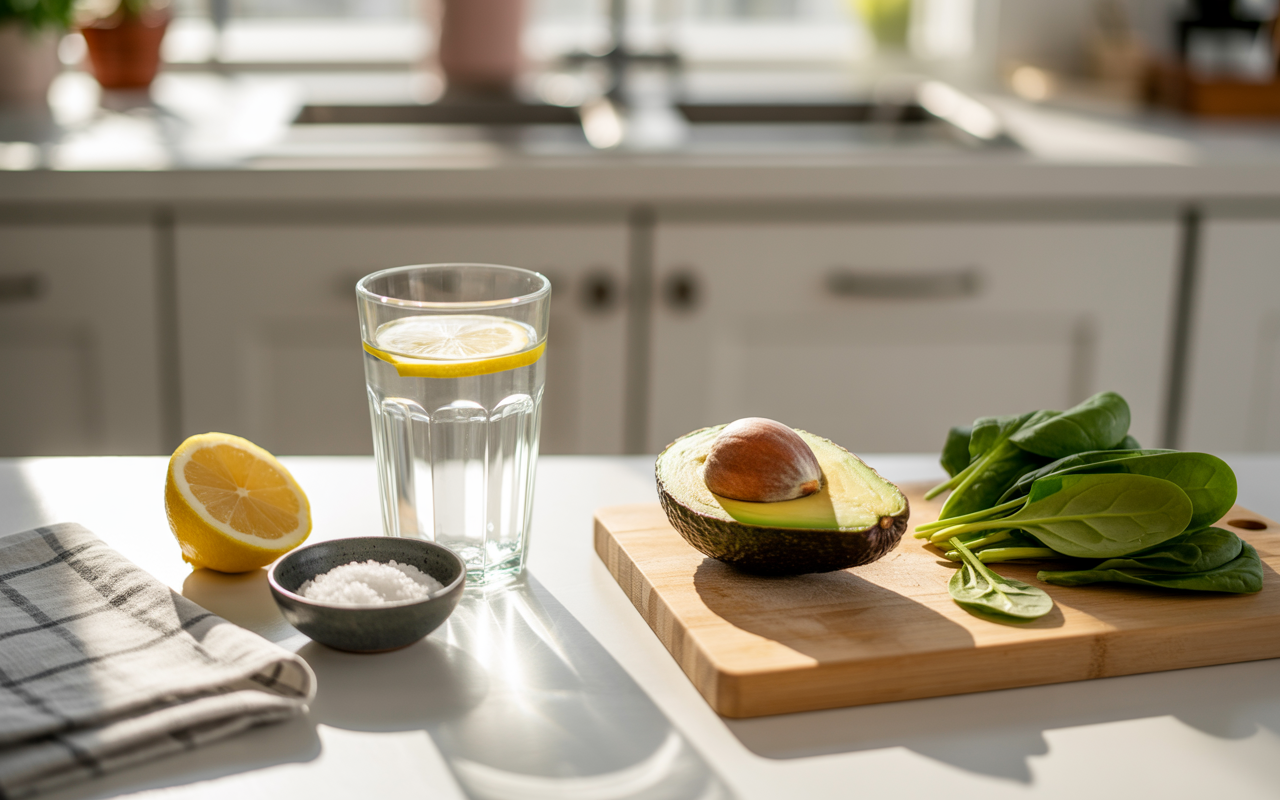
How to Transition Without Keto Flu
Starting the keto diet can be life-changing, but the first few days are also when many people experience something called the keto flu — temporary symptoms like tiredness, headaches, or irritability. The good news? Keto flu is not dangerous and can be prevented or dramatically reduced with the right strategy. This guide shows you exactly how to transition smoothly into keto without feeling terrible.
Table of Contents
- What Is Keto Flu?
- Why Keto Flu Happens
- Increase Electrolytes
- Hydrate Properly
- Ease Into Keto (Optional)
- Eat Enough Fat
- Common Mistakes to Avoid
- Quick Relief Tips
What Is Keto Flu?
Keto flu is a temporary collection of symptoms some people experience during the first 2–5 days of switching from carbs to fat as their primary fuel. It includes:
- Headaches
- Fatigue
- Irritability
- Muscle cramps
- Brain fog
- Light nausea
It is not an actual illness — it’s simply your body adapting to ketosis.
Why Keto Flu Happens
The key reason keto flu happens is due to a major shift in electrolytes. Once you drop carbs, insulin levels fall, and your kidneys release stored water and minerals. This causes:
- Loss of sodium
- Loss of potassium
- Loss of magnesium
Combine that with the metabolic switch to ketones, and your body needs a few days to adjust.
Increase Electrolytes (The #1 Fix)
If you do only ONE thing to prevent keto flu — make it this.
Here are the daily electrolyte targets for a smooth transition:
- Sodium: 4,000–6,000 mg
- Potassium: 2,000–3,000 mg
- Magnesium: 300–400 mg
Easy ways to get them:
- Drink salted water or broth
- Add extra salt to meals
- Eat potassium-rich foods (avocado, leafy greens)
- Take magnesium glycinate before bed
For more on how the body adapts, read: How Ketosis Works.
Hydrate Properly
During the first 48–72 hours of keto, your body drops excess water. To avoid dehydration symptoms:
- Drink 2–3 liters of water per day
- Add electrolytes to 1–2 of those servings
- Include broth or bouillon
Ease Into Keto (Optional)
You do NOT have to jump straight into 20g carbs. Some people transition easier by lowering carbs gradually:
- Week 1: Under 75g carbs
- Week 2: Under 50g carbs
- Week 3: Under 20–30g carbs
Gradual transitions reduce the intensity of electrolyte loss.
Eat Enough Fat
One of the most common reasons people feel terrible starting keto is because they do “low-carb AND low-fat.” This is a recipe for disaster.
Your body needs fat to replace the energy carbs used to provide. Increase healthy fats like:
- Olive oil
- Avocado oil
- Eggs
- Butter
- Salmon
- Coconut products
Common Mistakes to Avoid
- Not salting food enough
- Drinking too little water
- Eating too much protein
- Not eating enough fat
- Going from 300g carbs → 20g carbs overnight
For a complete list of mistakes, see: Common Keto Mistakes to Avoid.
Quick Relief Tips (If You Already Feel Keto Flu)
- Drink a glass of water with 1/2 tsp salt
- Eat an avocado or spinach
- Add magnesium before bed
- Drink bone broth
- Eat slightly more fat during meals
- Take a 30–60 min walk (helps switch to ketones faster)
Keto flu normally fades within 48–72 hours once electrolytes are balanced.