
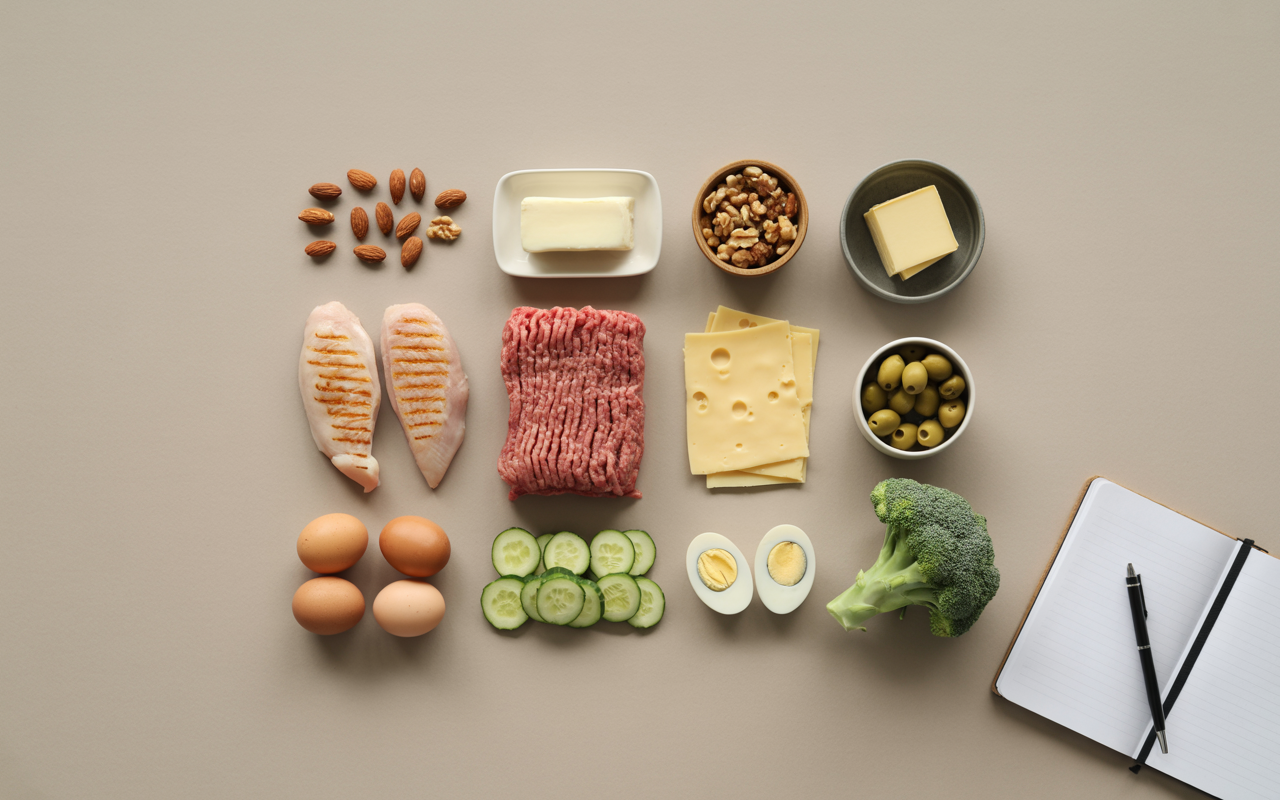
How to Track Macros (The Simple Way)
Tracking macros on keto doesn’t need to be complicated. This guide explains the easiest and most practical way to manage your carbs, protein, and fat without getting overwhelmed — so you can stay consistent and make progress.
New to keto? Start with What Is the Keto Diet?, How Ketosis Works, and The Science Behind Low-Carb Living. For shopping help, see The Ultimate Keto Grocery List. Want a simple first week? Use the 7-Day Keto Kickstart Plan.
Table of Contents
- 1. What Macros Actually Are
- 2. Your Simple Keto Macro Targets
- 3. The Easiest Way to Track Macros
- 4. Why Protein Matters Most
- 5. How to Track Carbs Correctly
- 6. How Much Fat You Really Need
- 7. How to Do Keto Without a Tracking App
- FAQ
1. What Macros Actually Are
Macros — short for macronutrients — are the three nutrient groups that provide calories:
- Protein (muscles, hunger control, metabolism)
- Fat (energy + satiety on keto)
- Carbohydrates (kept low to enter ketosis)
Keto isn’t about perfectly hitting every macro — it’s about controlling carbs and balancing protein and fat.
2. Your Simple Keto Macro Targets
The most effective and beginner-friendly keto macro targets are:
- Carbs: 20–30 g net carbs per day
- Protein: Moderate-high (0.8–1g per lb goal body weight)
- Fat: Add enough to feel full — not stuffed
Focus on carbs and protein first — fat adjusts automatically.
3. The Easiest Way to Track Macros
Tracking macros doesn’t require weighing everything or obsessing over numbers.
The simple method:
- Track carbs consistently
- Make sure every meal has a protein source
- Add enough fat for satisfaction
- Use an app only if you want to — not because you must
Most people see great results with light tracking.
4. Why Protein Matters Most
Protein is the most important macro on keto. It supports muscle, keeps hunger under control, stabilizes blood sugar, and boosts metabolism.
Goal: A solid protein source in every meal.
5. How to Track Carbs Correctly
Carbs are simple to track if you follow this rule:
Track the foods highest in carbs — not everything.
Focus on:
- Nuts
- Dairy
- Fruit (mostly berries)
- Sauces and dressings
- Packaged foods
Vegetables like broccoli, cauliflower, zucchini, cucumber, and leafy greens rarely cause issues.
6. How Much Fat You Really Need
Fat on keto is primarily for satiety. You don’t need to force-feed fats to “hit your macros.”
Best rule: Add fat until satisfied — no more.
7. How to Do Keto Without a Tracking App
Many people succeed without logging a single gram.
The no-app method:
- Protein as the base of every meal
- Low-carb vegetables
- Healthy fats for satisfaction
- 20–30 g carbs per day from whole foods
This is the simplest long-term keto strategy.
FAQ
Do I need to hit my macros exactly?
No. Keto works even with rough targets — consistency matters more than precision.
Should I track fat?
No. Track carbs and get enough protein. Fat adjusts naturally.
Do I need a tracking app?
Not unless you enjoy using one. Most people see progress without it.
Start Keto With Zero Guesswork
Get the 7-Day Keto Kickstart Plan for a clear, macro-friendly first week that removes all confusion.