
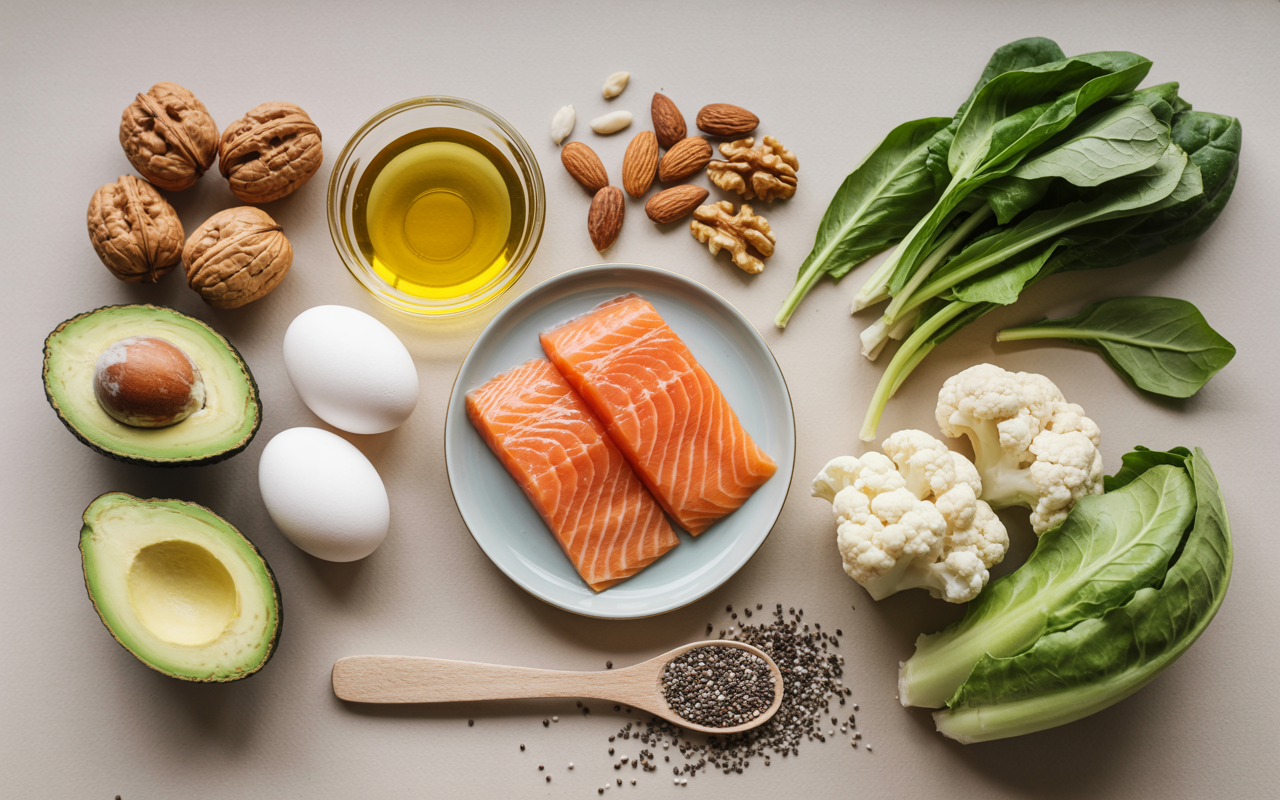
What Is the Keto Diet?
The ketogenic diet — commonly called the keto diet — is a low-carb, high-fat eating approach designed to shift your body into a metabolic state called ketosis. Instead of relying on carbohydrates for energy, your body begins using stored fat and ketones as its main fuel source. This guide explains exactly what the keto diet is, how ketosis works, what you can eat, and why millions of people experience significant weight loss and improved energy on keto.
Table of Contents
- What Is the Keto Diet Explained
- How the Keto Diet Works
- What You Eat on the Keto Diet
- Benefits of the Keto Diet
- Is the Keto Diet Safe?
What Is the Keto Diet Explained
The keto diet works by reducing daily carbohydrate intake to around 20–30 grams of net carbs. When carbs stay this low, your body can no longer rely on glucose for energy. To compensate, your liver converts stored body fat into ketones, which become your primary fuel source. This shift is simple in theory but powerful in practice, producing stable energy, reduced hunger, and more efficient fat-burning.
Unlike many restrictive diets, keto focuses on foods that keep you full: healthy fats, protein, eggs, fish, meat, low-carb vegetables, nuts, and seeds. Because ketones burn cleanly and steadily, many people experience fewer cravings and a smoother daily energy curve compared to sugar-heavy diets.
How the Keto Diet Works
Entering ketosis usually takes 2–4 days when carbohydrates are kept low enough. During this transition, insulin levels drop, fat cells release stored fatty acids, and the liver begins processing them into ketones. Once ketones rise consistently, you are officially in ketosis.
Common signs that ketosis has begun include:
- Improved mental clarity and focus
- Reduced hunger and fewer cravings
- More stable energy throughout the day
- Noticeable fat loss
For further reading, here’s a well-known medical overview of ketosis: Healthline: Ketogenic Diet 101 .
What You Eat on the Keto Diet
The keto diet is built on three macronutrient principles:
- High fat: avocado, butter, olive oil, salmon, eggs, coconut oil, nuts
- Moderate protein: chicken, beef, pork, turkey, seafood
- Low carbs: spinach, lettuce, cauliflower, broccoli, zucchini
Avoid sugar, bread, pasta, rice, potatoes, cereals, and high-carb fruits — these foods can knock you out of ketosis quickly.
For recipe inspiration, visit our Keto Recipes Collection.
Benefits of the Keto Diet
The keto diet is supported by research and real-world transformations. The most common benefits include:
- Faster and more stable weight loss
- Less hunger due to improved satiety
- Better mental performance and sharper focus
- Stable blood sugar and fewer energy crashes
- Improved inflammation markers for many individuals
Is the Keto Diet Safe?
For most healthy adults, the keto diet is considered safe when done correctly. However, people with medical conditions such as diabetes, liver disease, or certain metabolic disorders should consult a healthcare professional before starting.
Always listen to your body, increase electrolytes, and stay hydrated during the first week of keto — this minimizes symptoms of the “keto flu.”